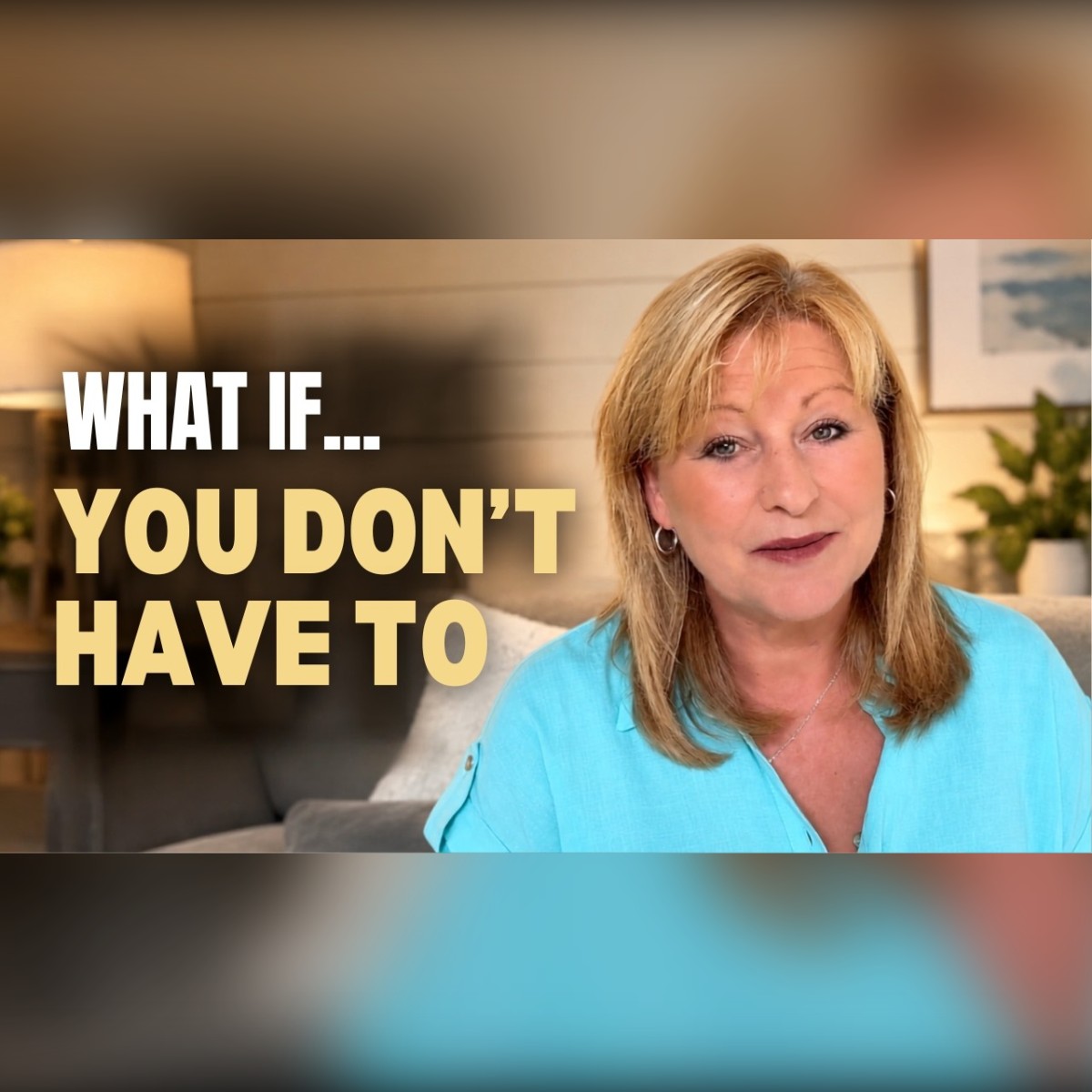
The work keeps coming in. Your team knows what to do. The bills get paid. Because nothing is obviously broken, you just keep moving. But somewhere along the way, you stopped enjoying it the way you used to, and the business you built takes more out of you than it gives back.
Here is what I have learned, in my own businesses and alongside the business owners I work with: not broken and working for you are two very different things. Running your business on autopilot may be costing you profit, but it may also be costing you time, energy, opportunities and your enjoyment of what you built. And the biggest cost often doesn’t show up on your financial statements at all. It shows up in your life.
In this video, I share three simple steps to start turning autopilot off, without overhauling your business. Watch it here:
Pause: put your P&L beside your calendar
The first step might be the hardest. Stop. Not for long and not forever, just long enough to really look. When you are constantly solving the next problem and answering the next email, you can miss what is right in front of you.
Pull out your most recent profit and loss statement and look at it through a different lens. How is each part of this business supporting the life I want, and where is it taking away from it? Which work is profitable and worth doing? Which work brings in revenue but demands far more time, attention and emotional energy than the number on the page shows? What are you paying for because it makes the business better, and what are you paying for simply because you always have?
Then go one step further. This is where things started to shift in my own businesses. Put the P&L beside your calendar. Your P&L shows you where the money is going. Your calendar shows you where you are going. Look at where your time and attention go. What drains you? What are you tolerating? What do you dread? What keeps occupying your head long after the workday should be over? Your P&L tells you what the business is costing financially. Your life tells you what it is costing you personally. Those costs are connected.
And when you see a few things you don’t love, don’t rush to fix them yet. If you jump straight to fixing, you may solve the symptom instead of discovering what is underneath it.
Explore: let curiosity replace assumptions
Once you have stopped long enough to see what is happening, get curious about why. Start with your people. This can be a tough one. In one of my businesses, when we answered these questions honestly, we had to let go of a third of our team, because they were costing us much more than they were contributing.
Reconnect with what each person is actually doing today. Not what their job description says, and not what they were hired to do three years ago. Where are they creating value? Who has grown into their role? Who might be capable of more and is simply waiting for you to let go? And yes, the harder question: is anyone coasting, and what is that costing you in time, mistakes, delays, lost opportunities and frustration? What does it cost you to keep avoiding something you already know needs your attention?
This isn’t about looking for people to blame. It’s about reconnecting with what is really happening. When you have been on autopilot for a while, assumptions start replacing information. You assume a service is profitable. You assume someone is doing well. You assume a process is working. You assume this is simply what running a business feels like.
Be open to what you find. You may discover opportunities you have been too busy to see: someone ready for more, a service far more valuable than you realized, a process working beautifully that should be repeated elsewhere. The goal isn’t to find what is wrong. The goal is to see what is true.
Engage: choose one small change
This is where you turn autopilot off. You engage again, with your numbers, your team, your clients, your business and your life. But don’t try to change everything you have discovered. Choose one thing, the one that is costing you the most. For example:
- Have the conversation you have been avoiding.
- Ask a team member what they think could be better.
- Hand over one responsibility you have been holding on to.
- Stop doing one thing that no longer earns its place.
- Look more closely at the profitability of one service.
- Protect one block of time you have been giving away.
- Document one process.
Then pay attention to what happens, because engagement creates information. Maybe the person you give more responsibility to thrives. Maybe the client doesn’t care about the thing you have spent hours perfecting. Maybe the service you assumed was highly profitable isn’t. Maybe you discover that what you thought was the problem wasn’t the problem at all. You don’t need a massive transformation. You need to start paying attention again.
Seeing clearly takes courage
I don’t want to gloss over this part, because it is often where business owners stop. Seeing clearly isn’t always comfortable. Maybe a part of the business you worked incredibly hard to build doesn’t fit anymore. Maybe someone you care about isn’t contributing in the way the business needs. Maybe you keep paying for something because changing it feels harder. Or maybe your business is doing reasonably well, but the life it is creating for you isn’t the life you want.
That is hard, and I won’t pretend otherwise. But you don’t have to solve everything you see today. You only have to be willing to see it. Autopilot keeps you doing what you have always done. Awareness gives you the choice of what happens next.
Your practice for today
Don’t close this page and disappear back into your day. Give yourself a few minutes. Pause, and look at your P&L and your calendar side by side. Explore, and get curious about what your numbers, your people and your own experience are telling you. Then engage, and make one small, intentional change this week.
If you’re wondering where to start, I created a free business alignment assessment for exactly this moment. It takes about five minutes and gives you a visual picture of where your business is aligned with what you want it to create for you and your life, and where something may no longer be serving either. You’ll find the link in the video description.
If you haven’t seen it yet, start with The Truth About Your Business P&L, where I share three things you can do this week to see your business differently.
Stay with me for the next one
The goal isn’t simply to build a business that works. It’s to build a business that works for you and supports the life you actually want to live. If that matters to you, I would love for you to subscribe to At the Heart of It All on YouTube and join me for the next video.